Browse
Modern (1800 CE - 1950 CE)

Review
Ling Long Women's Magazine, Shanghai, 1931-1937
The abundance of graphic images such as photographs, cartoons, and advertisements is an important resource for studying urban mass culture and women’s lives in 1930s Shanghai.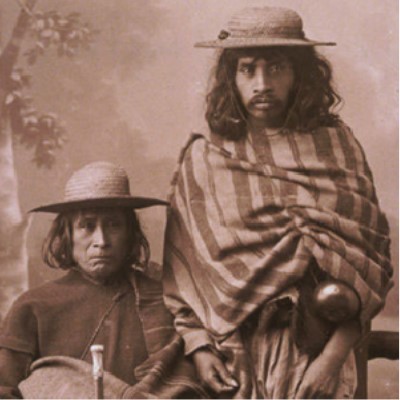
Review
Mexico: From Empire to Revolution
By making hundreds of photographs available and placing them in a clear, historical context, the website provides students with a fascinating perspective on several crucial decades in Mexican history.
Review
Urban Dharma, Buddhism in America
Although many of the essays are intended to promote Buddhism and a Buddhist religious perspective, the site also includes English translations of important early South Asian documents.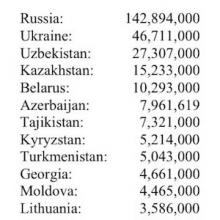
Teaching
Long Teaching Module: Nationalities and the Breakup of the Soviet Union, 1989-2000
The Soviet Union was a multi-national empire from the revolution of 1917 through the final demise of Communism in 1991.

Source
Statistics on Catholicism in Poland after the fall of Communism
These figures show the fragility of Catholicism in Poland after the communist era. Whether questioned about matters of doctrine or lifestyle, large numbers of Poles agreed with the stated positions of the Roman Catholic Church.

Review
Christian Classics Ethereal Library
This is still quite easily the best single location of source materials in English for the Reformation period online.
Review
National Security Archive: Sources on Latin America
The documents on the website provide students the opportunity to construct their own historical interpretations.
Review
Documenting a Democracy: Australia's Story
This site has particular strengths in presenting legal and constitutional materials on the emergence of a democratic nation in a colonial context.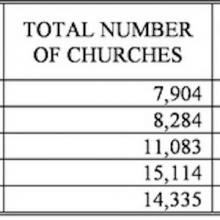
Teaching
Long Teaching Module: The Catholic Church in Poland, 1950-2000
Poland is, at first glance, one of the most religiously homogeneous countries on earth.

Teaching
Long Teaching Module: Doña Marina, Cortés' Translator
What is the language of conquest? What language do people speak when they battle for land and autonomy, or meet to negotiate? During the conquest of Mexico, Spanish and Nahuatl—the mother tongues of the conquistadors and the Mexica—grew newly powerful.