Modern (1800 CE - 1950 CE)
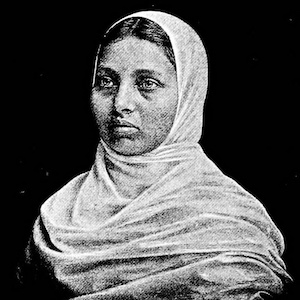
The High-Caste Hindu Woman
Literacy among Indian women was low during the 19th century, and so primary sources written by Indian women are rare for this period. One notable exception is Pandita Ramabai (1858-1922), an influential Indian woman social reformer from Maharashtra in western India.
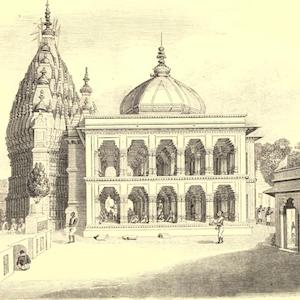
India’s Cries to British Humanity
Toward the end of the 1700s, the evangelical movement in Britain argued that one’s commitment to Christ should be reflected in action, primarily the effort to end slavery in the British empire and to proselytize or seek converts among the “heathen.” Initially, the English East India Company had p

Wanderings of a Pilgrim in Search of the Picturesque
From 1600 to the early 1800s, few officials of the English East Indian Company lived with English wives in India. This practice began to change as transportation became easier with the development of steamships.

Rajah Rammohun Roy Excerpts
Ram Mohan Roy (1774-1832), a highly educated Bengali brahman from a well-to-do landed family, had worked in the lower levels of the Company bureaucracy.

Letters of Lady Mary Wortley Montagu
The following are excerpts from the letters of Lady Mary Wortley Montagu (1689-1762), a noted English essayist and one of the earliest advocates of women’s rights.

Children in the Slave Trade Table
The Trans-Atlantic Slave Trade: A Database on CD-ROM, edited by David Eltis, Stephen D. Behrendt, David Richardson, and Herbert S. Klein, contains the best quantitative evidence to date on the number of Africans sold into the slave trade.

Thai Palm Leaf Fish Mobile for the Cradle
The fish mobile above is a type traditionally hung over the cradle in Thailand. It is made from the folded, woven leaves of the palm, especially in Phra Nakhon Si Ayutthaya province. The fish depicted is the Thai barb, or carp, which is a symbol of prosperity.

School Population in Buenos Aires, Argentina
This chart demonstrates the fluctuating attendance rates of school aged children in a select number of schools in Buenos Aires between 1815 and 1831. This is not a complete list of the port city’s schools; it represents schools that maintained the most complete attendance records.
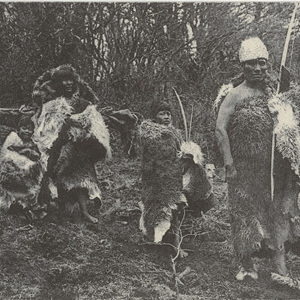
Ona Family Group of Tierra del Fuego
Father Alberto Maria De Agostini, a missionary, took this postcard image on Isla Grande, Tierra del Fuego, on the southernmost tip of South America. The photograph, taken circa 1930, shows a man, woman, and two children walking through a clearing surrounded by thickets.
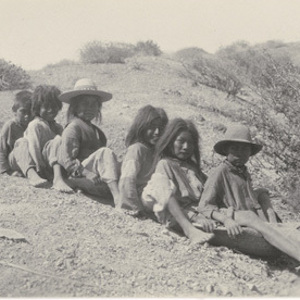
Seri Children Sliding on Turtle Shells
Six children of the Seri indigenous people slide down a hill using the shells of sea turtles as sleds, illustrating the universal ability of children to create play activities including equipment out of things in their environment.