Early Modern (1450 CE - 1800 CE)

Arthur Young Views the Countryside
Arthur Young, an Englishman, traveled across France on the eve of the Revolution recording his impressions of life there, particularly those aspects that seemed to him to compare unfavorably with his native land.

Two Peasants Repairing a Cart
This image of peasants repairing a cart demonstrates both the hard work done by cultivators and their fragile economic situation, which could easily be imperiled by a broken cart.

Poverty in Auvergne
The difficulty of life in rural regions led some to leave home and seek a better life elsewhere, particularly in the growing cities. Such migration worried some observers, who feared villages would be emptied and no one would be left to work the land.

Poverty Observed!: Journal of a Country Priest
Village priests served as community leaders in a variety of respects, including keeping a register of births, marriages, and deaths.

Sejarah Melayu: The History of the Malay Peninsula
Internet resources dealing with Malaysian history are difficult to locate. Although this site has some shortcomings, it remains one of the most accessible sources for such information.
Viettouch
Some of the sections under the “Literature” and “History” categories are largely written in Vietnamese and may, therefore, be inaccessible to students. However, the vast majority of the site is in English and well worth a careful read.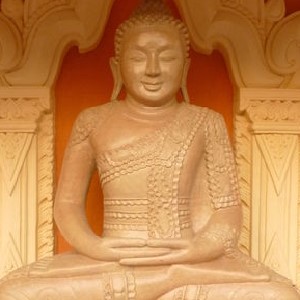
Tibetan and Himalayan Digital Library
Users willing to delve deeply into the various sections are rewarded with a vast amount of primary materials in the form of texts, videos, images, and maps.
The Exotic White Man Print
The Exotic White Man is a late 19th-century Japanese color print from a private Dutch art collection. The print shows four figures—an older female and miniature-sized male in the foreground; a larger male behind them; and a second, younger female in the background.
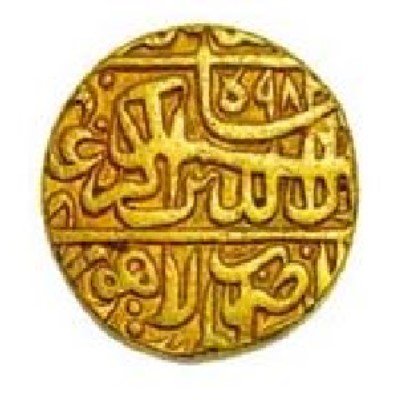
RBI Monetary Museum Galleries
The wide selection of currencies and time periods make this useful for classroom instruction and for generating discussion.
Long Teaching Module: “Reading” Primary Sources on the History of Children & Youth
How do you study the history of young people? What can primary source documents reveal? What limitations do they pose? What light can the history of young people shed on the past?