North/Central America

Japanese American Incarceration at Amache, Colorado, Interview
Norman I. Hirose is a Nisei (second generation) Japanese American born in 1926 in Oakland, California. He grew up in Oakland and Berkeley, California.

Japanese American Incarceration at Manzanar, California, Interview
Aiko Herzig-Yoshinaga is a Nisei (second generation) Japanese American born in 1925 in Los Angeles. She was incarcerated at Manzanar, California, and later Jerome and Rohwer, Arkansas.

Japanese American Incarceration at Heart Mountain Interview
Mits Koshiyama is a Nisei (second generation) Japanese American born in 1924 in Mountain View, California. He grew up in the Santa Clara Valley, working on his family's leased strawberry farm.

Japanese American Incarceration, Interview
Kenge Kobayashi is a Nisei (second generation) Japanese American born in 1926 in Imperial Valley, California. With his family, he was incarcerated at Tulare Assembly Center, California, and then at the Gila River, Arizona, and Tule Lake, California, incarceration camps.

My Weekly Reader
First launched in 1928, My Weekly Reader sought to make the national news accessible to elementary school children. By the early 1970s grade-specific versions were available for students from preschool to the sixth grade.
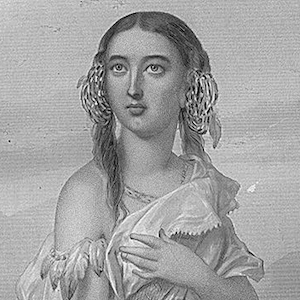
Pocahontas (Matoaka) 1595-1617
Pocahontas, a legendary figure in American history, was the daughter of a powerful 17th-century Powhatan chief.

Jumping Rope
Lydia Maria Child included this selection on how to jump rope in The Girls Own Book, a book published in 1833. Why did girls in early 19th-century America need instructions on how to jump rope? Why did Child's feel the need to caution girls?
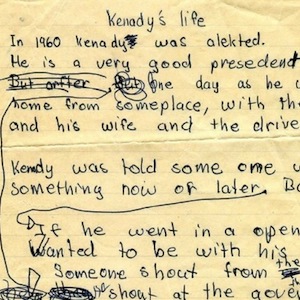
JFK's Assassination
The assassination of John F. Kennedy on November 22nd in 1963 shocked, saddened, and bewildered American children. Girls and boys of all ages watched the funeral broadcast on television—including those who lived abroad during the 1960s.
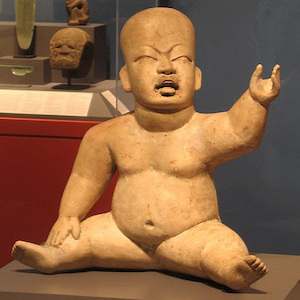
Olmec Ceramic Baby Figurine
This baby figurine of a pudgy toddler is one of many similar examples of ceramic sculptures of infants belonging to an ancient Mesoamerican ceramic tradition that flourished during the first millennium B.C.E.
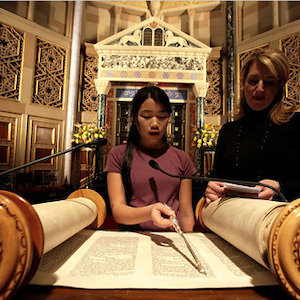
Bat Mitzvah
The girl in the photograph, Cecelia Nealon-Shapiro, reads from the Torah as part of her bat mitzvah, a rite of passage ceremony, at Congregation Rodeph Sholom in New York City.