Source Collection: The Ongoing Discovery of the Aksumite Kingdom
Overview
What is the role of an archaeologist and a historian in rediscovering lost histories of ancient kingdoms like the Aksumite Empire? With the ongoing work of professional archaeologists and historians in and around present-day Ethiopia and Eritrea uncovering the mysteries of the Aksumite Kingdom; how can students learn from newly discovered answers by asking open-ended questions and engaging with ongoing historical investigations that can shape our modern understanding of ancient civilizations?
Essay
What do historians and/or archaeologists do? What are some ways for historians and archaeologists to work together? How might historians piece together histories with or without the aid of archaeologists? These are some general questions for students to help engage them in understanding what can go into collaborating across academic fields when trying to solve fairly elusive histories such as the Kingdom of Aksum. While a lot more is known about the ancient kingdom stretching from modern-day Ethiopia into southern and eastern parts of Eritrea, there is still a lot to be uncovered, predominantly regarding the kingdom’s social and political practices.
How do stories such as these get uncovered? Specifically, there are two groups of academics who provide much of the histories for public consumption. First, there are the archaeologists who go to major geographic points that pertain to the Aksumite Kingdom, dig underneath the Earth’s surface, comb and sift through soil layers, to find likely fragmented artifacts relating to the people, culture, or region of Aksum. Much of what has been found of the kingdom, which archaeologists prove by finding the soil layer that closely relates to the time period Aksum existed, has been tied to the kingdom’s trade goods, money, and culture of its people.
Secondly are the historians, whose task it is to fill in the blanks that archaeologists have uncovered. Providing written proof of the whereabouts and connections of the Aksumite people, rulers, and traders. By going through the archival records and exploring what historians in the centuries after the kingdom existed provided written evidence of their rule and how they fit within the context of their neighboring empires. Without the work of archaeologists though, historians would not have the basis for their research, because historians’ basis for asking questions is based entirely on what artifacts have been excavated from the site. Both these groups of academics work in a relatively symbiotic relationship as they analyze evidence and better understand the past. However, there is still much to be uncovered and many questions historians and archaeologists are trying to answer. So, being able to learn what historians and archaeologists already know about the Aksumite Kingdom can provide deeper insight in how these professionals think and how their work continues to shape the rediscovery of Aksum.
Over the past century, archaeologists have dug sporadically at various sites dedicated to the ancient kingdom of Aksum, but only within the past few decades have there been consistent archaeological digs done in Ethiopia and Eritrea. As archaeologists and historians such as Jane Phillips or Dr. Dil Singh Basanti continue to learn about one of the more prosperous, wealthiest, but elusive Kingdoms from antiquity to the Middle Ages; how might teachers and students in K-12 classrooms incorporate this Kingdom into their lessons? Firstly, students can start creating a historiography of Aksum by exploring its connections with the region. As Dr. Basanti stated in an interview with History Hit, Aksum can now confidently be placed within the geographic region archaeologists are currently working on; and with this, students can formulate connections based on other kingdoms they are already learning. During the height of its reign, the Aksumite Kingdom rested at the basin of the Red Sea in the previously mentioned Eritrea and Ethiopia. How does this affect trade with other Kingdoms? Of note, the Aksumite Kingdom was known for trading frankincense, myrrh, ivory, tortoise shell, gold, and silver. How might these objects influence their trade with other kingdoms? Would these objects increase or decrease the necessity for trade with Aksum? An additional source to explore these questions would be the Great Archaeological Sites website, which was reviewed by John Bert Lott of Vassar College for World History Commons. You can see what he has to say in his review here.
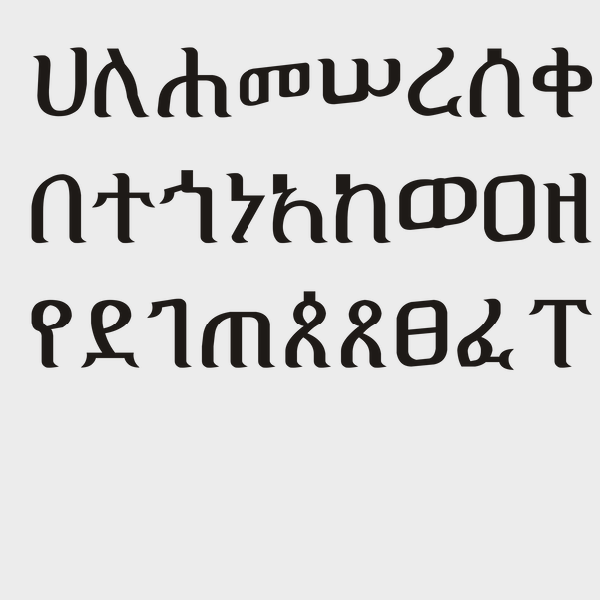
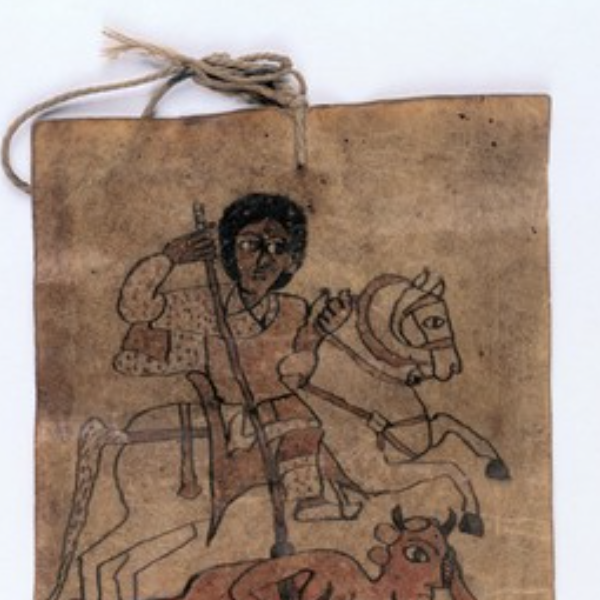
According to historians, Ethiopia has been the only African country to not be colonized by the Europeans and many believe it was because of the Kingdom of Aksum’s tradition in the Christian faith and adopting it early into its reign. However, what is archaeology saying about Aksum? In tandem with historians' understanding of the kingdom's religious views, ancient stelae have been found and preserved in the country of Ethiopia. These monuments, that could stand upwards of 100 feet high, are built atop of the burial sites of ancient rulers of Aksum, their names would be inscribed on the side, but many of which have been lost to time. Additional tombs and ruins of palaces and administrative buildings were found. The Kingdom of Aksum also stands out from its ancient counterparts by being one of the few African kingdoms to have its own coinage (gold, silver, bronze), but to make it more intriguing, Aksumite coinage has been printed in both Greek and the ge’ez language. Examples of this ancient language are in the Ge’ez Script and Ethiopian Healing Script sources for this teaching source. How would you or your students interpret the printing of two languages on Aksumite coinage if you were in the historians’ or archaeologists’ shoes? What does the Ethiopian Healing Script’s inclusion of ge’ez, centuries after the kingdom was lost, tell you about the cultural and historical significance of the language for the Ethiopian people?
Primary Sources
Ge'ez Script
Annotation
Ethiopian Healing Scrolls
Annotation
Document Based Question
How can archaeologists shape historians' interpretations of ancient kingdoms like Aksum?
How can historians aid in the rediscovery of lost kingdoms like the Aksumite Empire?
With the existence of the ge'ez script in 20th century healing scrolls, what does that tell you about human's connection to language? What does that say about how culture does or does not change over time?
With Aksum's proximity to the Christian faith being so intertwined in Ethiopia's culture today, how can a culture be shaped by religion or visa versa?
Credits
Michael Caraballo is an intern for the Roy Rosenzweig Center for History and New Media.